

Museums as Guardians of Cultural Memory: Pressing Issues in Museum Practice to be Discussed at United Cultures Forum
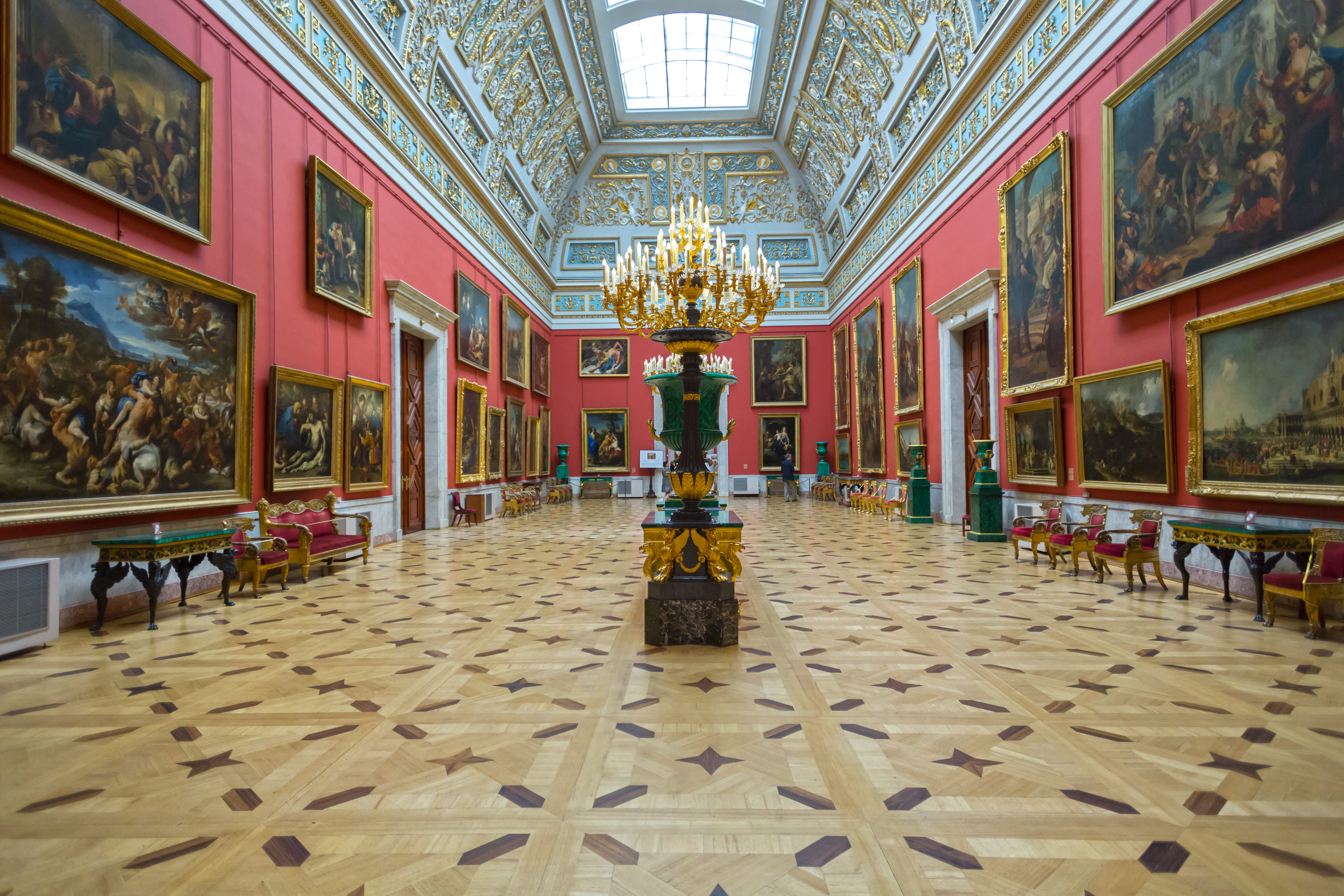
The preservation of cultural heritage, issues in museum practice, and questions about restitution, restoration, and archeological ethics will be among the key topics of the ‘Museums’ track at the 12th St. Petersburg International United Cultures Forum coordinated by General Director of the State Hermitage Museum Mikhail Piotrovsky.
The business programme will bring together heads of major museums, representatives of relevant government bodies, experts in the preservation and restoration of cultural heritage sites, as well as specialists from Russia and abroad.
Museums have always been a space for the preservation of the cultural memory of humankind, a place for dialogue on the values that unite different generations and cultures. And the conversation is becoming more difficult than ever. “Many people have come to the conclusion that museums are obsolete today, that they house looted treasures, and that they are products exclusively of European culture,” notes Mikhail Piotrovsky. “Museums are being dismissed as ‘repositories of stolen goods,’ cultural borrowing is being rejected, and demands for restitution are mounting.”
These uncomfortable and painful topics are the focus of the ‘Museums’ track’s business programme, precisely because they require an honest discussion. Participants will discuss issues surrounding the preservation of historical memory and cultural identity, modern approaches to the development of museum institutions, and international cooperation within the museum community.
“Forum participants will discuss a number of pressing issues: what exactly cultural appropriation is; the problems associated with restitution; and who has the right to interpret the cultural code,” Piotrovsky stresses. “These themes often lie at the heart of serious conflicts. The goal is to find ways for museums to promote peace by making sovereign cultures part of global heritage.” Today, restitution is no longer merely a legal or museum-related issue; it has become part of a new global ethic. The way these demands are worded is undergoing a radical shift. In the past, it was “return these items so that we can keep them ourselves.” Now, it is more like “the right to preserve and study the artifacts of others is an act of appropriation, of cultural violence.”
“Restitution is a specific case, because the fundamental question is: What is a museum? Is it an organism from which nothing can be removed? Or is it a warehouse from which items can be taken out and given away?” explains Mikhail Piotrovsky. “The museum is indivisible. It is an organism. Whatever enters the museum must remain there.”
The starting point for the discussion on modern restoration will be the exhibition ‘Titian. The Last Masterpiece: Saint Sebastian’, timed to coincide with the 450th anniversary of the artist’s death. Saint Sebastian, one of the Hermitage’s most iconic works, has undergone a complete restoration for the first time in its history – a process that took over three years. The exhibition is complemented by research materials, photographs documenting the various stages of the restoration process, and videos on the final year of Titian’s life. The exhibition is more than just a showing of a masterpiece – it is an opportunity to witness the birth of professional solution and the ethical weight it carries.
The session will examine in detail complex issues regarding the ethical responsibility of restoration artists and the shifting approaches to the preservation of cultural assets: the dilemma of intervention versus authenticity; the right to renew a work and duty towards the original; the boundaries of professional autonomy; and the dialogue with other cultures.
As the International Centre for the Study of the Preservation and Restoration of Cultural Property (ICCROM) – which advocates for the CARE (conserve, activate, recognize, engage) approach – emphasizes in its new strategy through 2031, heritage is not a luxury, but a ‘lifeline’ that connects generations and strengthens social resilience.
The 12th St. Petersburg International United Cultures Forum will take place on 24–26 September 2026. The theme for the 2026 Forum is ‘United Cultures, Common Values’. The event is being organized by the Government of the Russian Federation, the Ministry of Culture of the Russian Federation, the Government of St. Petersburg, and the Roscongress Foundation.